
Shopping Your Community is Très Chic: Why the Cool Girls are Shopping Local and Reaching for Quiet Luxury
Local farms, markets and community-run shops are having a moment. Ellie Lynes on what is driving the turn away from mass consumption, and who ‘quiet luxury’ is really for.
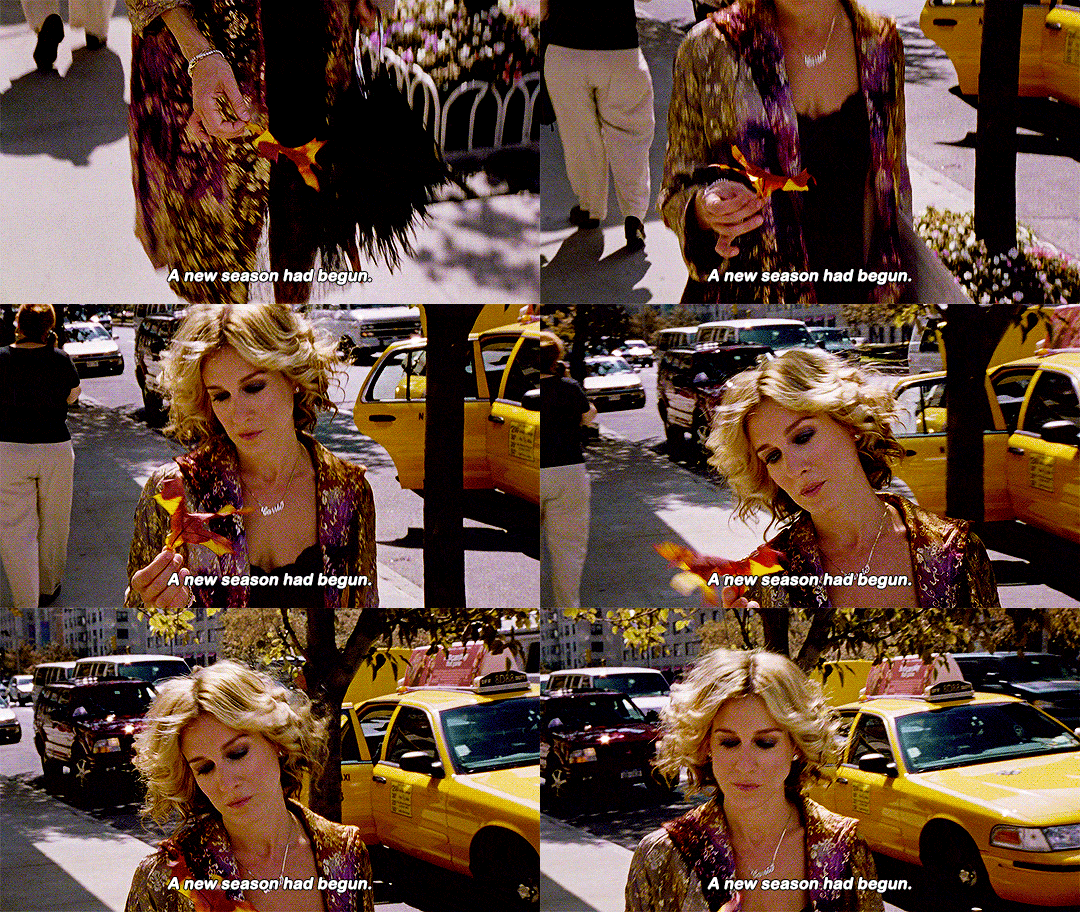
Authors Note: Hello all! It is finally starting to feel like Autumn so I am a very happy girl. Got my gorgeous Emma Bridgewater mug from the back of my cupboard, and feeling ready to slip into a cosy knit and read a good book with a glass of red. The leaves are changing and there’s a chill in the air! La di da, La di da, tis Autumn.
Maybe it is my own transitional mindset, or one attached to a wider coterie, but I feel like there is a collective shift and a great awakening happening in so many of us- the realisation that society has lied to us. The food we consume, the clothes on our backs, the medication, the products we put on our hair, face, and body, none of it comes from an original source. Our food is packed full of chemicals, and our clothes are synthetic lies.
Many of us have been raised on generations of trust in our government, blindly following and believing that what is sold to us must be safe. It’s not. It is all by design, keeping us mindless slaves to desire, lust, and gluttony. They poison our bodies and our minds- but not anymore. People are waking up and choosing differently, engaging in a collective regression towards traditional values: local farms, local markets, community-run shops, and a slower pace of consumption. After all, Shopping Your Community is Très Chic!
Origins of a Collective Conscious: What has Sparked the Shift
Personally, things had started to feel like a bit too much- the constant onslaught of advertising, the relentless influencing shoved down our throats. The messaging started to feel far too obvious- a hive mind in which we all blindly follow world leaders under the assumption that they must do what is best for us. Then came the release of the Epstein files. That was the moment I started feeling like I should be doing the absolute opposite of what is being sold to me in a pretty package.
Culturally, several key factors are shaping our shifting views and values:
-
A political shift from liberalism towards conservatism, alongside a broader social re-engagement with traditionalism and traditional values
-
Deep-seated distrust in government, fuelled significantly by the release of the Epstein files
-
Social commentary and heightened awareness from widespread television hits like Clarkson’s Farm
-
Project Slingshot and the growing cultural focus on animal welfare awareness
-
Trickle-down wellness trends: influencers, gym routines, high-protein and high-fibre diets, vitamins, and ancestral living
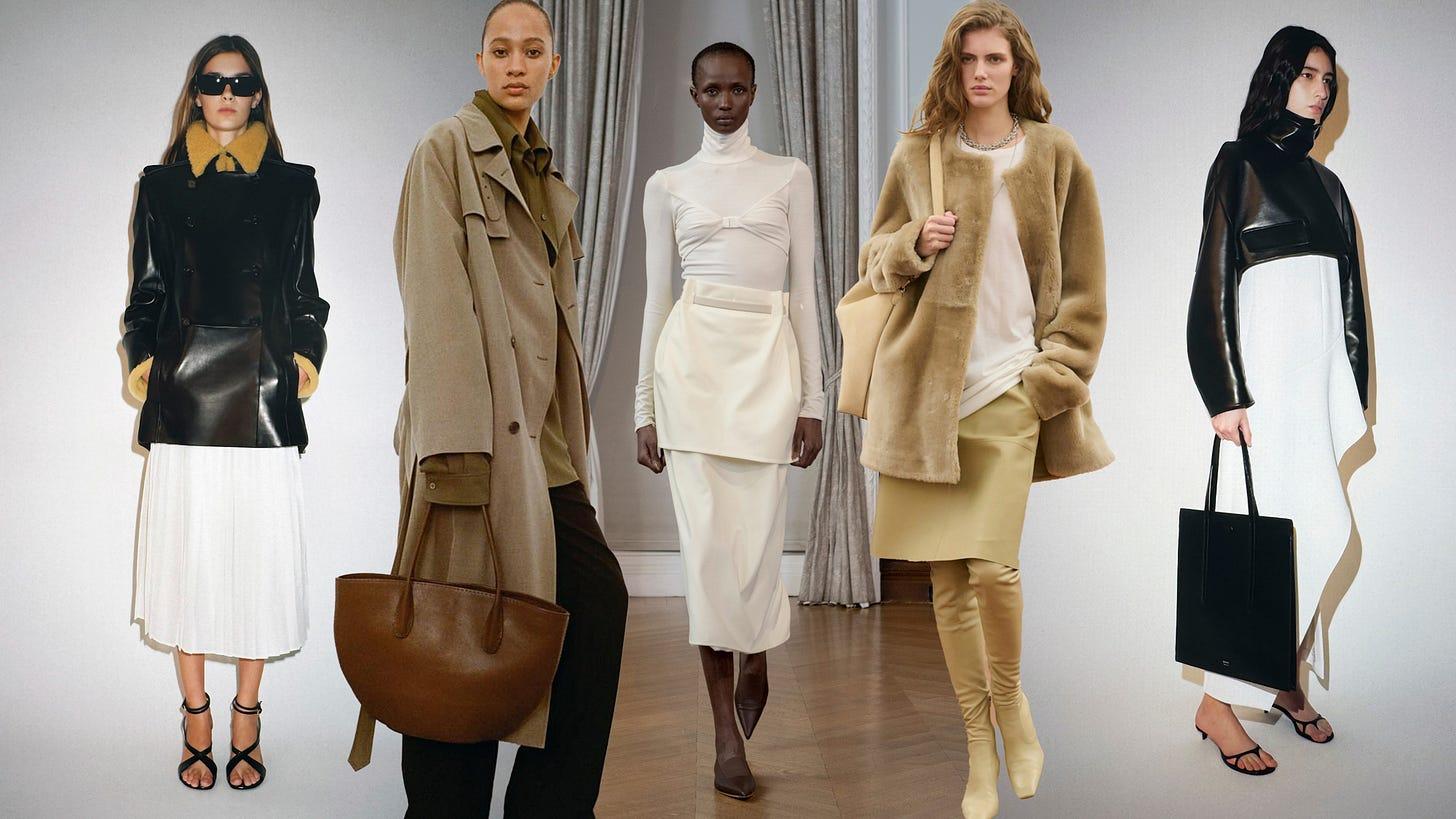
Society feels like a lot right now, and in response, the ‘quiet luxury’ was born. Stepping away from modernity, getting in touch with our pasts and living like we used to. Community, shopping small, shopping local, and caring about what we put on and in our bodies.
In a Political Fashion: How the Social and Political State of the World Impacts Our Wardrobes
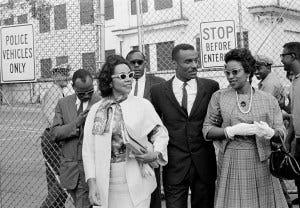
Fashion is often a physical representation of what is going on in the world around us. “Fashion functions as a mirror to our times, so it is inherently political,” notes Andrew Bolton. Consider the feminisation of dress during the suffragette movement to avoid negative press- adorned in purple, white, and green as a form of covert signalling. Or the “Sunday Best”- crisp suits, dresses, and sturdy shoes worn during the 1950s and 60s Civil Rights movement as a signal of Black pride and respectability politics, which later transitioned into a tougher exterior adorned with black leather jackets during the rise of the Black Panther Party in the 1970s to fight police brutality. More recent examples include NBA players wearing “I Can’t Breathe” warm-up shirts in protest against the decision not to indict the police officer involved in the death of Eric Garner, or the cultural ubiquity of the MAGA hat.
As Miranda Priestly famously observed, all fashion is a statement, and all statements originate from higher places. As much as we might resist believing it, every aesthetic choice we make is the result of something we have seen, or something that has happened to us prior.
‘Quiet’ Luxury, Trends, Classism & Accessibility
What is ‘trending’ is frequently decided for us through Trickle-Down Theory. What ends up on trend originates on the runways before reaching high-street retailers, mirroring society’s broader consumption habits in ways that are far less voluntary than we realise. A popular pattern, style, or item hits the mainstream and suddenly appears everywhere before suffering a rapid decline, as early adopters no longer find the item desirable once it reaches saturation. Luxury then rejects the style, labelling it as outdated or “cheugy.” Burberry in the 2000s offers a prime example, stepping away from its iconic check as it became associated with the working class- the ‘chavification’ of the Nova Check.
While these minimalist movements are packaged as modern expressions of restraint, it is important to acknowledge their reliance on pre-existing societal structures to signal value. The surge in ‘quiet luxury’ relies on exclusionary codes that inherently privilege Eurocentric, upper-class aesthetics while marginalising non-white, working-class modes of expression that historically utilised visible branding as a valid form of socio-economic signalling and cultural pride. As we see a cultural shift away from fast fashion and an emphasis on circularity and natural fibres, those wearing polyester are increasingly cast as unfashionable- excluded from the ‘cool girl’ coterie. Yet moving away from the high street carries a heavy financial burden- the demand for natural fibres comes at a high price point. The style quickly becomes inaccessible to the majority who cannot afford hundreds of pounds for pure cashmere or organic cotton.
This dynamic extends directly into beauty culture. The ‘clean girl aesthetic’- characterised by slicked-back hair, glowing skin, and minimal makeup- appropriates everyday styling practices long worn by Black and Brown women, rebranding them as sleek and desirable only when adopted by predominantly white, affluent creators. Even micro-trends like the 'naked nail' manicure reflect a broader cultural shift where polished austerity is praised, subtly enforcing gendered and racialised standards of ‘neatness’ that erase the cultural history of bold nail art while catering to recession-era anxieties through an illusion of effortless, high-status purity.
Sustainability is the future, and we should engage with circularity and natural fibres as much as possible. That being said, we need to shift the conversation from what we should be doing to how these choices can be made accessible to everyone. Organic food used to just be food. Natural fabrics used to just be fabric. Everything we need is already on this earth, but these resources must be available to all. Health is not a negotiation- this is simultaneously our future and our past.
First published by Ellie Lynes on 22 September 2026.
Free newsletter
The NOOR Edit
Liked this? Get NOOR’s best stories by email.