
The Dark Side of Black Friday and the Psychology of a Bargain
Black Friday now lasts a month. Ellie Lynes looks at why a slashed price tag is so hard to walk past, and what the bargain costs once it is home.

Imagine huge crowds, shoving and surging; an animalistic desire taking over. Imagine insane amounts of digital traffic, clock-watching- bargain obsessed. Black Friday is just around the corner, a much anticipated occasion for those of us who love a steal. With every year more elaborate than the next, it is no wonder we are consuming more than ever- Amazon running a 12-day sales event, Boots kicking their sale off in October, and many fast-fashion companies offering constant flash sales all year round. Black Friday has evolved from a single-day event to a month long affair, much like most holidays and occasions. Gone are the days of novelty.

Still, there is this intrinsic nature within us all that beckons us towards a bargain, whether that is the fear of missing out on an offer or the dopamine hit from making a less burdensome purchase. Brands are tapping into our psyche without us knowing, injecting consumerism into our veins. How is it that we are so easily convinced to give into something we may not actually want, and what are the hidden costs of the ‘bargain’?
The Psychology of Consumerism and Bargain Hunting
Researching bargains and consumerism, psychologists suggest the following neurological reasoning behind our fixation with a good deal:
1. Perceived Value: Markdowns artificially inflate an item’s worth in the buyer’s mind. Seeing a slashed price tag triggers the illusion that we are getting far more than we paid for- even when the ‘original’ price was deliberately inflated to engineer that exact feeling.
2. Post-Purchase Reassurance: Every transaction carries the risk of buyer’s remorse. Securing a discount acts as an immediate psychological buffer, soothing post-purchase anxiety by allowing us to frame an impulse buy as a smart, financially savvy decision.
3. The Dopamine Loop: Hunting down a bargain directly hijacks the brain’s reward system. Much like winning a game of chance, landing a steep discount triggers a surge of dopamine- reinforcing the behaviour and turning routine consumption into an addictive chase.
4. The Psychological Need to ‘Win’: Negotiation is rarely just about saving money, it is about the thrill of victory. Securing a lower price- even when the initial cost is entirely fair- delivers a potent hit of personal agency, control, and triumph over the system.
5. Cultural Conditioning: In many parts of the world, haggling isn’t an exception- it is the expected social script. Failing to negotiate can be viewed as naive or even disrespectful, leaving buyers anxious that they are being taken advantage of if they simply accept the sticker price.
6. Conditioned Habit: For seasoned bargain hunters, pushing for a discount is simply muscle memory. Regardless of an item’s actual value or their own financial need, their default reflex is always to ask, “Can I do better?”
7. The Thrill of the Game: For many, the appeal lies in the social friction of the exchange itself. Bargaining serves as a lively mental sport and a way to build playful rapport with a seller, making the interaction far more rewarding than the actual pennies saved.
8. Low Risk, High Reward: Asking for a discount carries virtually zero downside, the worst-case scenario is simply hearing “no.” Because the stakes are so low while the potential payoff feels like pure profit, consumers are naturally incentivised to push their luck every time.
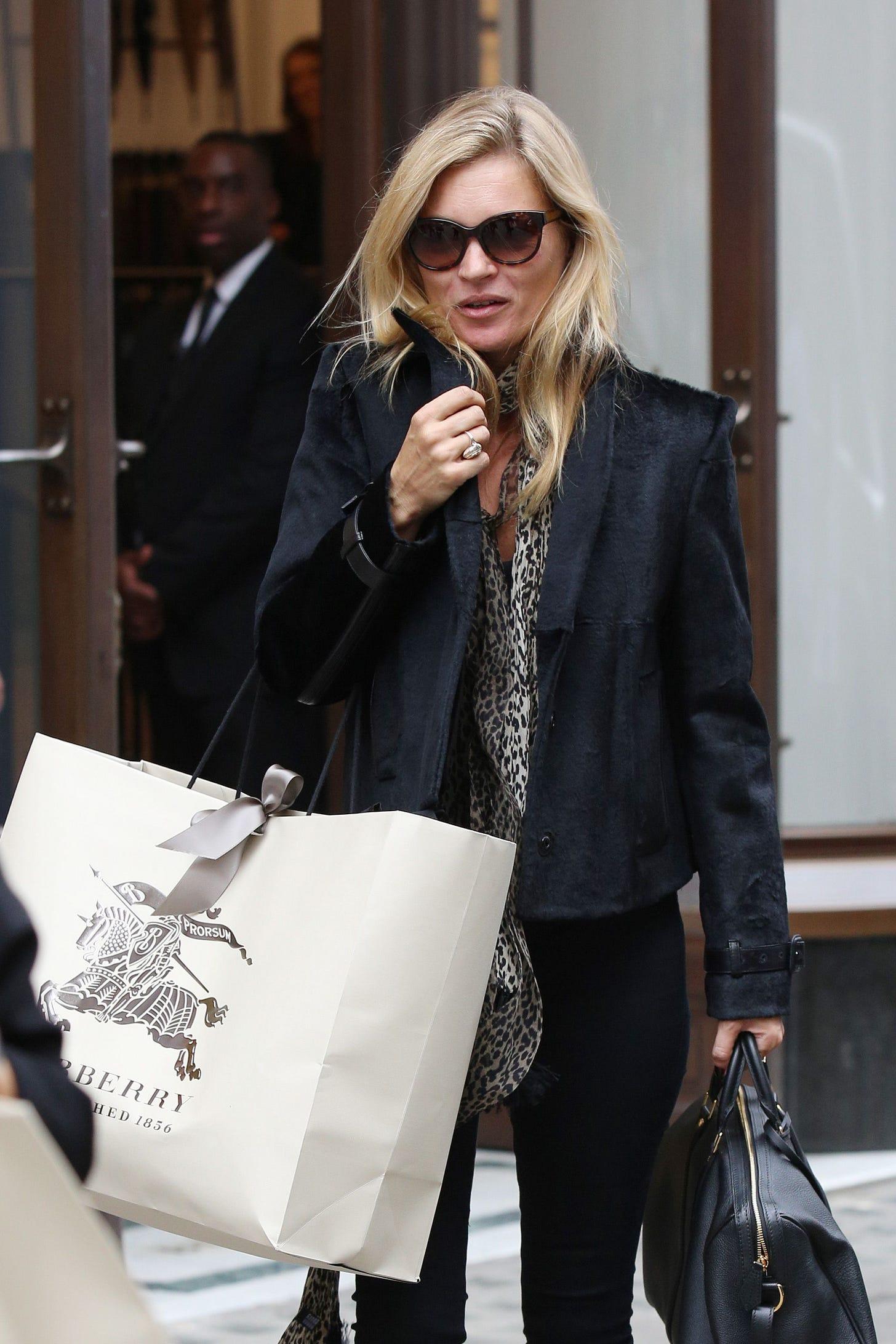
Modern consumerism relies on scarcity heuristics and primal instincts- our innate desire to obtain and collect something rare and resourceful. The idea that if something is rare and hard to obtain, it is of higher value comes from our proclivity for hunting and gathering, and it is often these instincts that lead us to over-consumption.
The Secret Cost of a ‘Bargain’
It is no secret that sales events like Black Friday produce an absurd amount of waste, such is the way of fast fashion. Unwanted items from last season flayed for all to see, at an inviting price point. Over-consumption is encouraged under the guise of an unmissable deal, with a 2019 study showing that up to 80% of Black Friday purchases are discarded after a maximum of 1 usage, and another showing that up to £707 million pounds worth of items are regifted - a form of Moral Cleansing. The industry estimates that around 1.5 million tonnes of extra waste is generated during Black Friday, with half coming from packaging alone. Equally, often these deals are too good to be true, with the original price of the item often marked up beforehand, to give the illusion of a good deal. There is a reason this item is on sale, and that is because it wasn’t wanted last season.
How many of us can say we have walked into a sale and bought something just because it was discounted?
And how many times have we actually reached for that item afterwards?
Purchases without intention often results in a surplus of clothing we don’t actually like, and the feeling that we have nothing to wear despite having an overflowing wardrobe. Even if we did like the items we purchased, there is also the question of quality- how long would an item at that price point even last in your wardrobe? As a result, many harbour feelings of guilt or shame, with a UK study showing that 31% of shoppers regretted at least one of their Black Friday purchases.
Ultimately, the goal isn’t to boycott sales altogether- that would be unrealistic. Instead, it is about shifting our mindset toward intentionality- questioning whether an item is genuinely needed, how often it will be worn, and whether it is a smart use of our money. Loving fashion doesn't mean falling for every markdown; it means curating a wardrobe anchored in personal style rather than fleeting discounts. This Black Friday, pause before checking out and ask yourself: Do I truly want this, will I actually wear it, does it work with the wardrobe I already own, and does it genuinely feel like me?
First published by Ellie Lynes on 18 November 2026.
Free newsletter
The NOOR Edit
Liked this? Get NOOR’s best stories by email.