
Right Man, Wrong Place
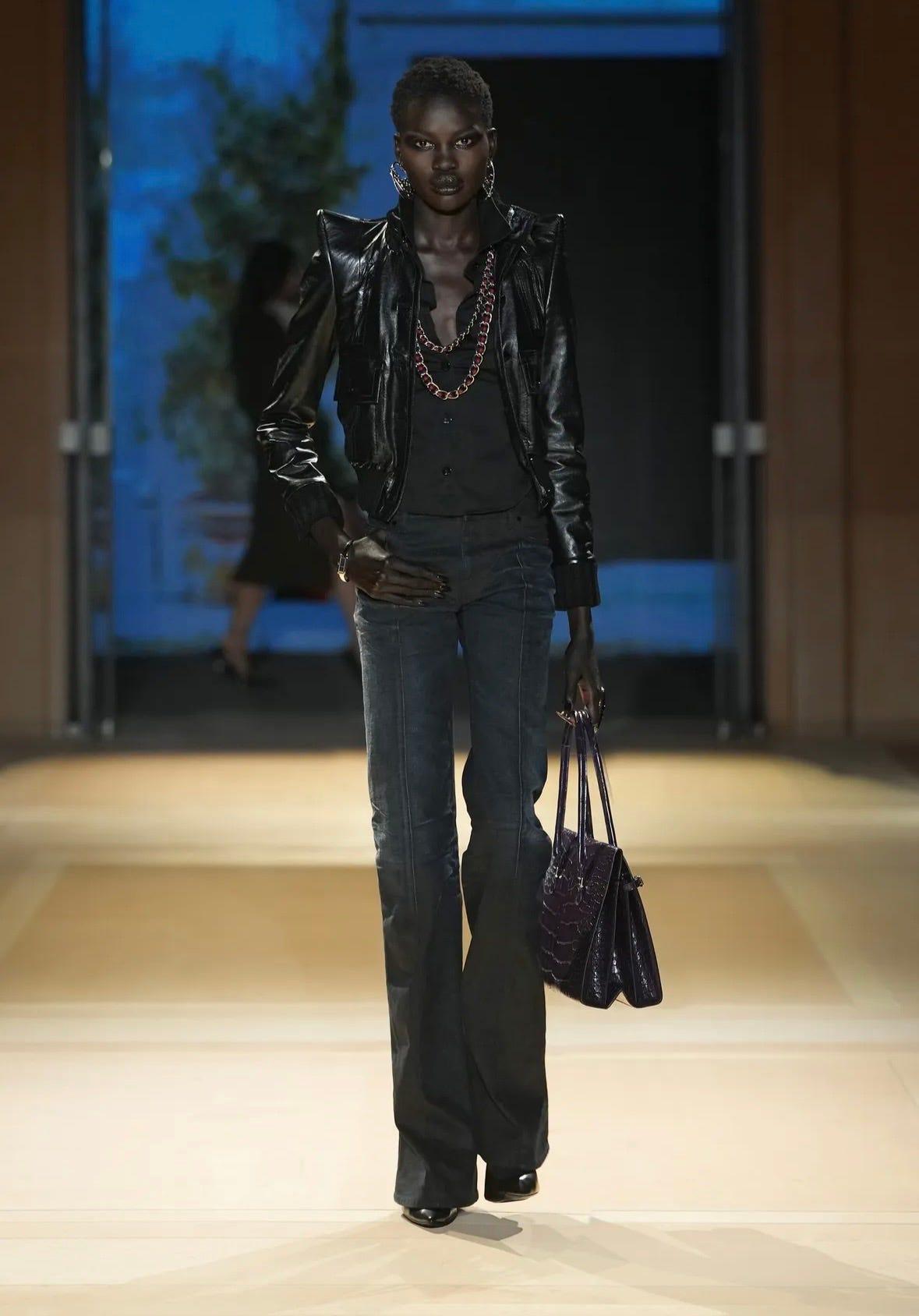
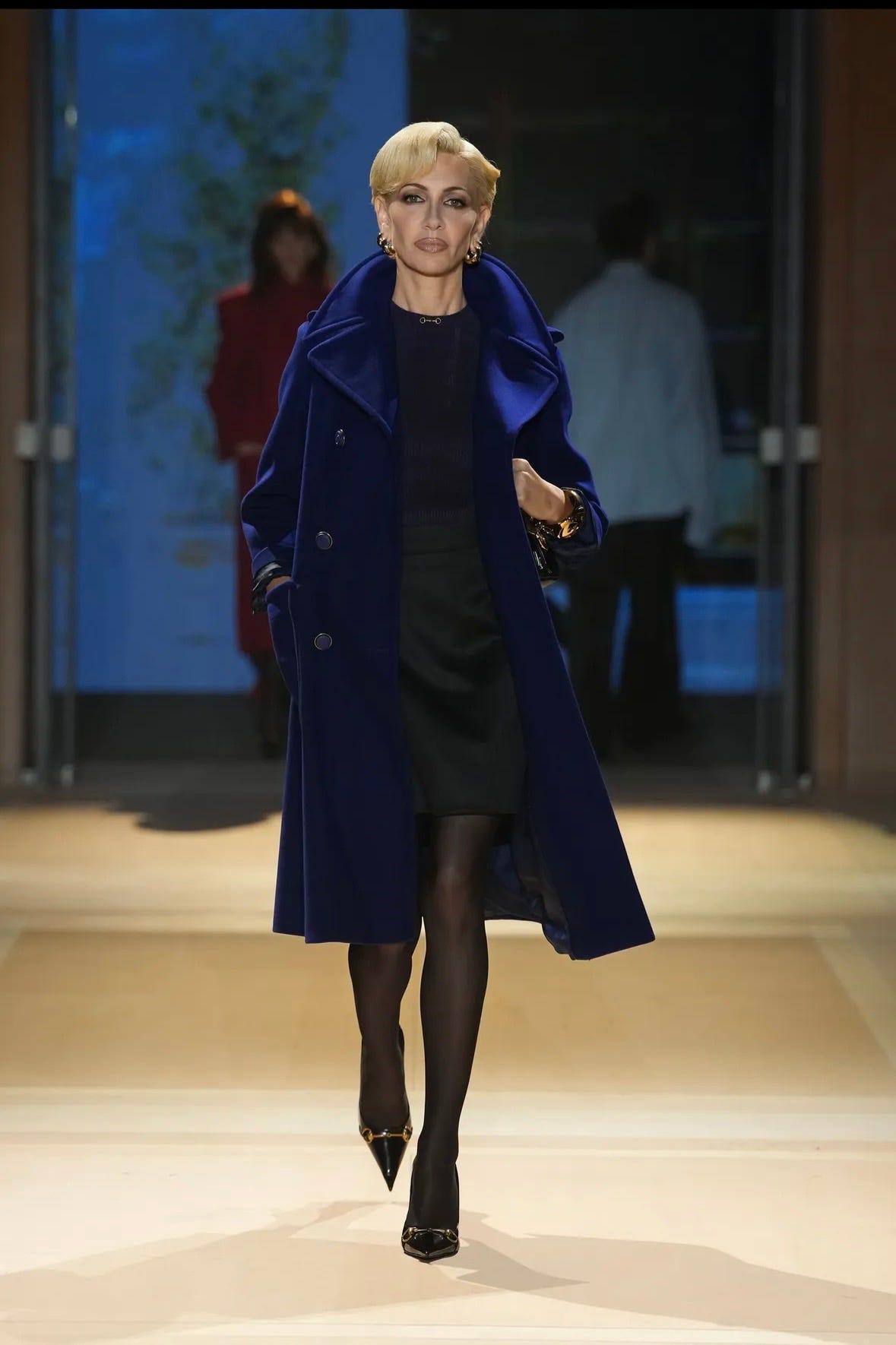
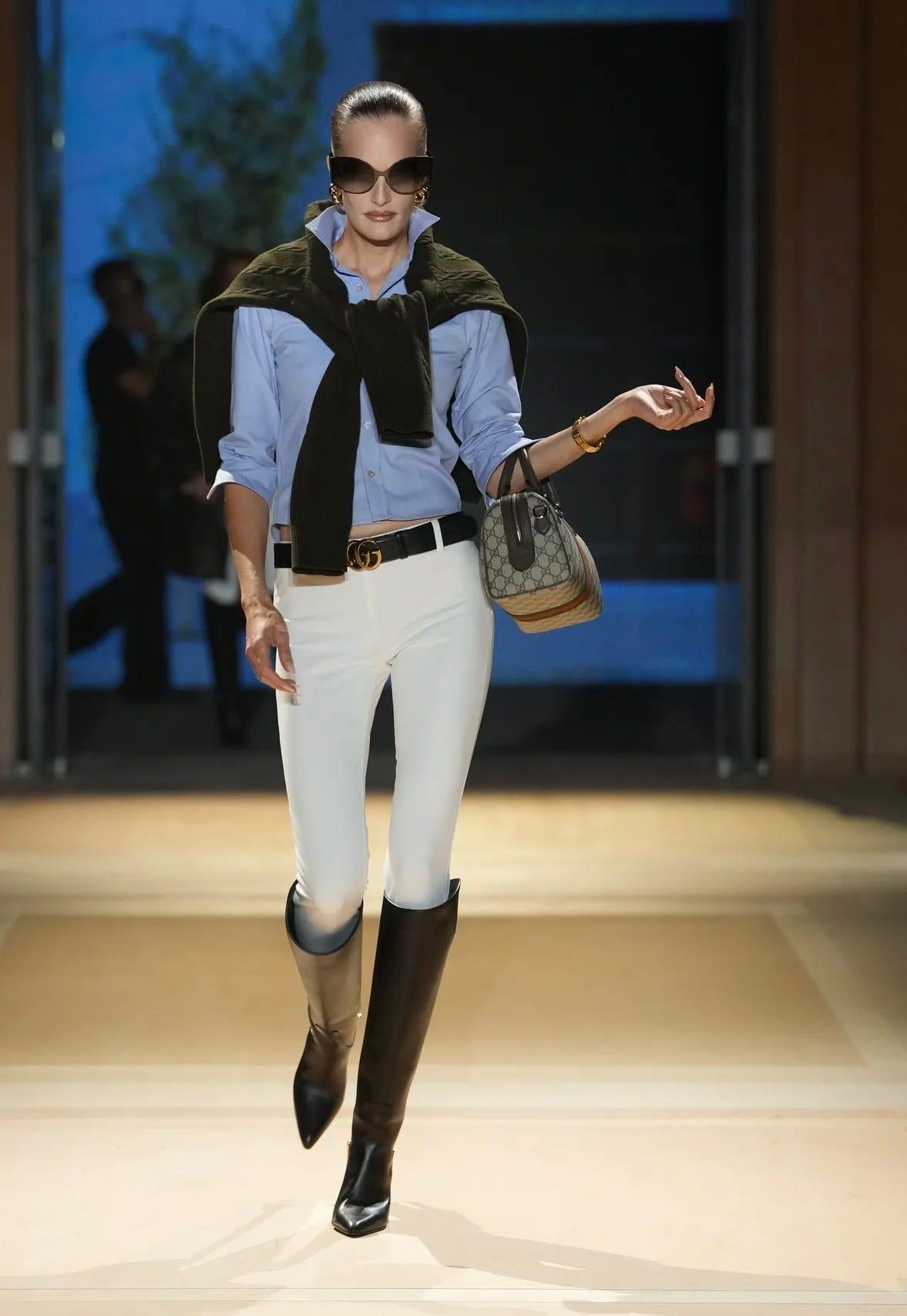
After a wave of angry comments on her Gucci video review, Mimma Viglezio makes the argument again in writing: Demna’s problem is not talent but fit.

As expected, the ‘Demna’s Tribe’, the very loyal customers the designer amassed during his years as Creative Director of Balenciaga, did not appreciate my criticism of his latest Gucci collection, presented in Milan at the end of September. Instead of listening to my words, which in no way were gratuitously offensive or uselessly harsh, and trying to understand what I meant when expressing my disappointment with the work of a designer I actually respect, they listened for 30 seconds, took to their keyboards and anonymously insulted me, calling me an unprofessional racist who only respects Western designers, an unfashionable impostor, and various other epithets I prefer not to repeat here.
That is why I am willing to talk about Gucci and Demna again, in writing, without the limitation of a three-minute video, and in the hope that I can clearly explain my point.
I believe that Demna, the Georgian designer who goes by only his first name, formally known as Demna Gvasalia, founder of indie cult brand Vêtements and former legendary Creative Director of Balenciaga, is confused. I believe that his confusion is not the consequence of mediocre talent, but rather of the fact that he might be the right man in the wrong place.
In his original work, Demna has been unique in giving us clothes that we did not even know we needed: irresistible clothes presented in creative ways that made them surprising, a bit controversial and incredibly desirable. I believe that the name of the brand that made him famous, Vêtements, French for ‘clothes’, meant exactly that.
Demna, as the great stylist he is, was instinctively able to clarify the difference between interesting, innovative, unexpected clothes and commercial clothes unworthy of being called a collection. He single-handedly created a brand that, by going against everything we knew, became cult for all kinds of people, young, older, fashionistas and not, in the process giving new meanings to the concept of cool.
For that reason, he was then chosen to helm Balenciaga, when the legacy couture house was in need of a radical refresh, after it had lost its star designer at the time, Nicolas Ghesquière, and gone through an unsuccessful post-Ghesquière reset with Alexander Wang. And boy, did he succeed. Whilst Balenciaga “conservatives” were shouting foul and expressing their contempt, and Cristóbal Balenciaga was potentially rolling over in his grave, Demna did exactly what he was there to do, in the process becoming one of the most copied designers of his time.
He never needed to over-explain his work, which, through spectacularly meaningful and often political shows, was self-explanatory. He was confident and at ease because nobody, I believe, was dictating creative requirements to him.
I reckon that that is why the management of Kering, in need of a refresh and revamp and some fixing at its star brand, Gucci, took him away from a house where he was still being successful, and hoped he could repeat his magic there.
The strategy seemed fair, the expectations were high, so high that I feel Demna became nervous and lost a bit of his outrageous confidence. The thing is, though, that Gucci is so not Balenciaga; not only because of the vast difference in size and its important financial role for the Group, but also because of its longer history, its millions of references, its memories of two indisputable creative peaks.
Gucci had to appeal to every type of consumer to return to its over €10 billion in revenues, but at the same time excite, surprise, become impossible to ignore and impossible to dislike. To succeed at Gucci, Demna needed to remember his instinctive ability to not cross the line between just commercial clothes coming out one after the other in a monotonous, albeit creatively styled, way, and refreshed ideas making wearable clothes irresistible. That is where I think he is failing.
He might have failed because of the pressure, because of too many inputs from the merchandisers and top management, too much attention to the numbers. Don’t get me wrong, I have been a top executive too, and I know well that selling clothes and accessories is the ultimate objective. However, I also know, from experience and from memory, that only exciting collections can generate endless buzz online and queues around the corner of stores.
The negative buzz created by this last collection (including, guilty!, by me) is not helping Demna’s confidence and is possibly confusing him further. The products will sell, thanks to his tribe and the power of the brand, but the competition is fierce and Demna needs to succeed to regain his spot at the top, like when whatever he did, including expensive trash bags would sell and his entire collections be loved and become irresistible.
I am sorry to say that Gucci today is none of that, when it should be, because of the legacy of the brand and because Demna is much better than that. He could be once again the right man in the right place, but he needs to let go of the immense pressure upon him to find a way back to his original self.
It’s not too late.
First published by Mimma Viglezio on 3 October 2026.
Free newsletter
The NOOR Edit
Liked this? Get NOOR’s best stories by email.