
In 2026, success isn’t about having the biggest audience. It’s about having the right audience.
She quit the TikTok dances, started turning up next to Charli XCX, and got claimed by the girls and the gays. Addison Rae’s rebrand is a masterclass in choosing who you’re for.
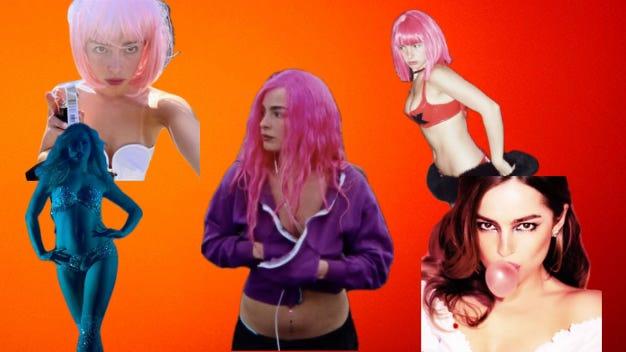
By this point, you have probably heard the name and music of Addison Rae. She is a recently emerged pop girly who has come onto the scene after many years of influencer fame on TikTok. I remember back in 2020 she was one of the biggest TikTokers in the world, with her hundreds of thousands of followers and many collaborations with the biggest TikTokers at the time. Her brand back then was more centred around her TikTok dances and trends, where she added a cute charm to everything she did. Her audience was definitely more of the general population, including many straight men who found her attractive. She appealed to a very large following, which is often good at the start of an influencer’s brand to catch people’s attention. One of the biggest mistakes influencers make is trying to appeal to everyone. While mass appeal may help someone become famous, it rarely helps them stay culturally relevant. If they have not found their niche and the fanbase they appeal to, they usually don’t get “claimed” by a certain social group and end up being forgotten. Many influencers struggle to remain culturally relevant once the trends that made them famous begin to fade.
Addison Rae’s rebrand wasn’t simply about becoming a musician. It was about becoming culturally relevant to a new audience. People don’t just become fans of artists, they become fans of communities. Supporting an artist can become part of someone’s identity, particularly when that artist represents the values, aesthetics, and humour of a specific cultural group. And she definitely chose the right fandom to appeal to in this day and age: the girls and the gays. The phrase “the girls and the gays” has become internet shorthand for one of the most influential cultural audiences online. While incredibly diverse, the group is often associated with pop music, fashion, nightlife, internet humour, and an appreciation for femininity and self-expression. More importantly, it has become a community that doesn’t just consume culture—it actively decides what becomes culturally relevant. The girls and the gays are a HUGE fanbase at the moment, which in itself is also a supportive and protective community that can really boost the popularity of an influencer or upcoming artist who appeals to them.
Now, obviously, you can’t just decide one day that you would like to be part of the “girls and gays” fandom; you have to submerge yourself into it. A big part of being accepted by the community is understanding its values. The way Addison Rae entered the fandom never felt forced; instead, it felt natural. Instead of continuing her classic TikTok trends, she immersed herself in a completely different world. She slowly stopped posting TikTok trends and started focusing on her hyper-pop, experimental music genre. Her fashion became more editorial, she started embracing her femininity and sexuality as part of her character, and she started surrounding herself with people who were already respected in that community, such as Charli XCX. There was a big branding makeover, as we saw her hanging out with Charli XCX and attending fashion events rather than making TikTok dances in the Hype House.
Addison started building a new brand for herself. She emerged in the “aesthetically sad, sexy girl” persona with bra and panty outfits, dollar boas, high-rise stockings, colourful wigs, lace, latex dresses, and smoking cigarettes in her performances. She was really showing people that she was no longer the “cutesy” TikTok trend girl, but someone who was daring in both her outfits and behaviour.
It’s quite important to notice that Addison has risen to her new pop fame by being accepted into a certain group, a fandom, which is one of the best marketing strategies for switching brands and staying specific to a culture. Now Addison is not only defined by her music and her clothes, but also by the group that has adopted her. Although her dancing and singing skills are arguable, from a marketing perspective she has found a niche that people like to hold onto.
What Addison Rae understood is something many influencers never do. Going viral is one thing, but becoming part of a culture is another. People remember creators who represent a community rather than those who simply entertain everyone. By rebranding herself and immersing herself in a specific cultural space, she gave people something to identify with rather than just something to watch. Whether people enjoy her music or not almost becomes secondary. She is no longer just Addison Rae the TikToker; she has become Addison Rae the pop girl.
Perhaps in 2026, success doesn’t come from appealing to millions of people, but rather from finding the few million people who genuinely feel like you are one of them.
First published by That Girl Theory by Beste on 30 July 2026.
Free newsletter
The NOOR Edit
Liked this? Get NOOR’s best stories by email.