Jensen Huang Is The Perfect Host, In 5 Reasons
Judy Yamakawa reads Nvidia’s founder as a host rather than a boss, and pulls out five habits that anyone building a circle of their own can borrow.
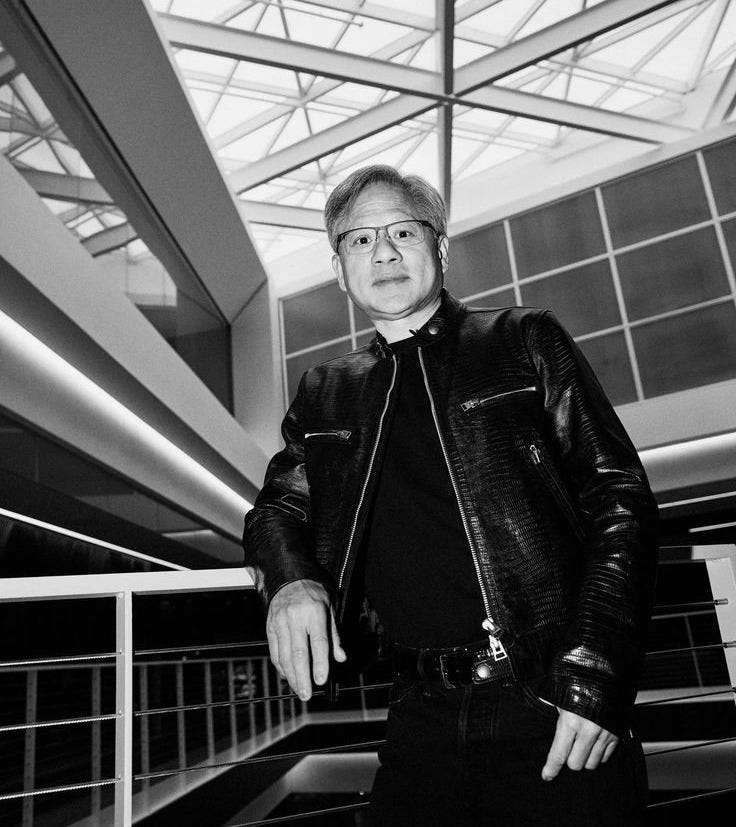
The Host Has Left The Room. Jensen Huang has been ousted from his home of 33 years only 6 days ago. Silicon Valley is grabbing through the bars for him to return. Despite reports and admission of various extramarital affairs (add a dash of national security spice to our honeypot), Nvidia reported the strongest quarter in its history. This is a 103% annual revenue increase of $115.8 billion. The Q3 closed this October 2026; ergo, monies earned under Huang’s leadership.
Why Is Jensen Huang So Magnetic?
The tech industry has a rather predictable urge to idolise. We’ve been lovesick over a plethora of founders and CEOs before; our eclectic Steve Jobs’, Bill Gates’, Elon Musks and Demis Hassabis’.
They are the hosts of ecosystems that are placed on pedestals above the sole products they sell. Nvidia is a village of engineers, researchers, cloud providers, start-ups and investors, all arranged around one man. That is what a great host does.
I curate events for creatives, founders, and investors alike, as well as being a founder and investor myself. It is a near guarantee that my fellows will have looked into NVIDIA’s Inception program (which provides >25,000 startups free tools, training and investor introductions). The founder community respects the research and capabilities produced at NVIDIA, and chase after the invitation to grow up building there.
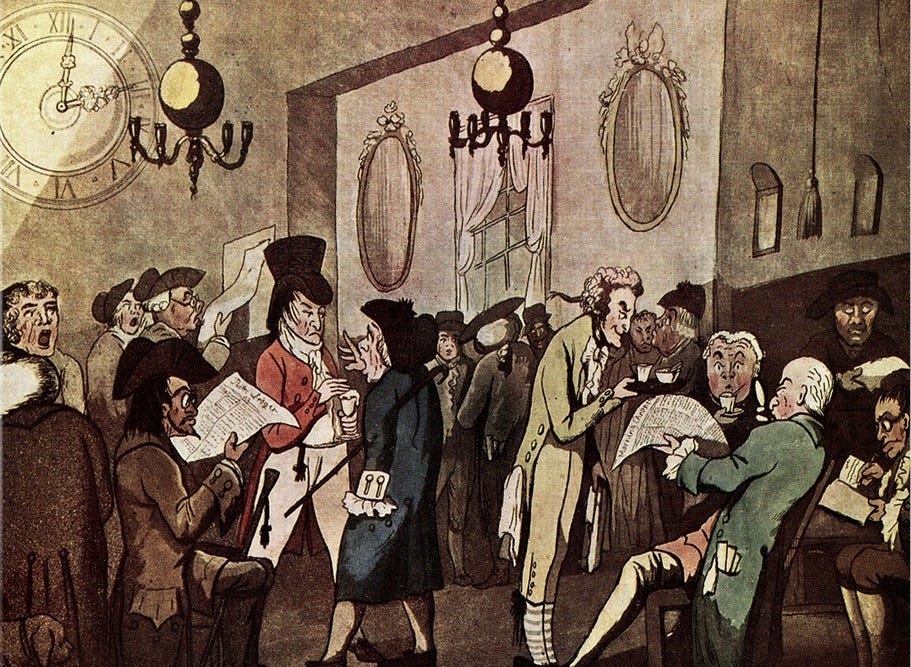
Now, London has seen this before. In the late 1680s, Edward Lloyd opened a coffee house on Tower Street. Merchants, ship-owners and underwriters came for his reliable shipping news, but naturally stayed for each other. It became a warm network hub for long conversation and community with profit. His coffee house stood to evolve to Lloyd’s of London.
This piece is about Jensen, but it is really about you. You have places you want to advance to. To get there, you need to invite the bright thinkers you want to attract into your ecosystem. The founder archetype is the model to study, to cultivate until you ecosystem is fighting for you to stay.
Here are the five qualities that make Huang the perfect host. This is how to adopt each one:
1. Circulate Information Instead Of Hoarding
Huang had (potentially will become ‘has’ again) 60 direct reports and refused (’refuses’) routine one-on-one meetings. Strategy was (‘is’) shared with everyone at once. It is close to an entirely open plan communication system. Status reports? Disregard them. NVIDIA members across the company send short emails listing the top five things they are working on or have noticed. Huang subsequently reads approximately a hundred of them every morning. Any culture “where the information [possessed] is the reason why you have power” is rejected.
This is the first rule of hosting. Deciding whether a room is worth entering is a personal decision. How do we calculate a room’s value? By defining whether you leave it knowing more than when you arrived. Edward Lloyd’s merchant customers understood this over three centuries earlier, enough so that they would cross London to sit in his coffee house for their shipping news.
How to be the host: be the person who circulates information. Send the article, make the introduction, explain the topic that people are struggling to understand (or that you might have noticed they would benefit from). People who hoard information are tolerated. People who share it are invited back, and thus can grow their own ecosystems sustainably.

2. Set Up The Party Before The Guests Arrive
Huang has been quoted saying that Nvidia has invested in “zero billion dollar markets“; in other words, in markets that do not yet exist. CUDA was launched by Huang in 2006 (2 decades ago!). For those unaware, CUDA is software that allows developers to utilise Nvidia’s graphics chips for general computing. For a long time, Wall Street has not understood this business decision. During the period of 2006-2017, Nvidia spent nigh $12 billion on R&D; at the same time, its revenues were still in the single billions. This bet failed to turn a profit for a decade.
However, once artificial intelligence arrived, the ecosystem was already built with CUDA. Furthermore, every researcher in the field was already a member.
How to be the host: back people and ideas before they are fashionable. This means you are at liberty to invite the brilliant junior colleague to dinner now, not after her promotion. Take pride in how you can naturally help and collaborate. It is far more rewarding to be regarded as the person who opened the door early for their community.
3. Make Your Guests Hosts Too
Nvidia’s employees share in its success through stock. A survey of more than 3,000 of them on the workplace forum Blind found that 76% were millionaires. Following Nvidia passing a $1 trillion valuation, staff turnover fell to 2.7%. This is a ridiculous margin compared against a semiconductor industry average of around 17%.
People do not leave a room in which they have a stake. It is truly, truly rare. Lloyd’s coffee house regulars eventually owned theirs outright. They formalised their gatherings into a society of their own after his death.
How to be the host: make other people’s success part of yours. Credit them publicly, introduce them generously, and build things in which they hold a share. What is the difference between a passing guest and an owner? A guest attends. An owner defends.
4. A Host Is Present. A Host Is Recognisable.
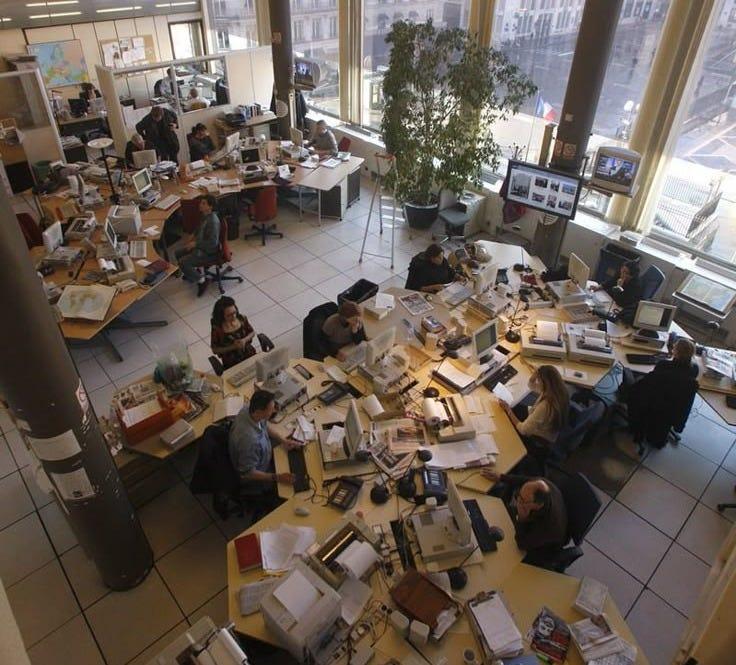
Huang often ate in the company cafeteria and described himself as the custodian of Nvidia’s culture. He is on NVIDIA intern’s TikTok pages from the company summer parties. On stage, he is unmistakable the black leather jacket (almost always Tom Ford. One of them even sold for $960k at a Sotheby’s auction this July). Employees knew he was reading their emails, while the market and passive viewers alike knew exactly who stood behind the company.
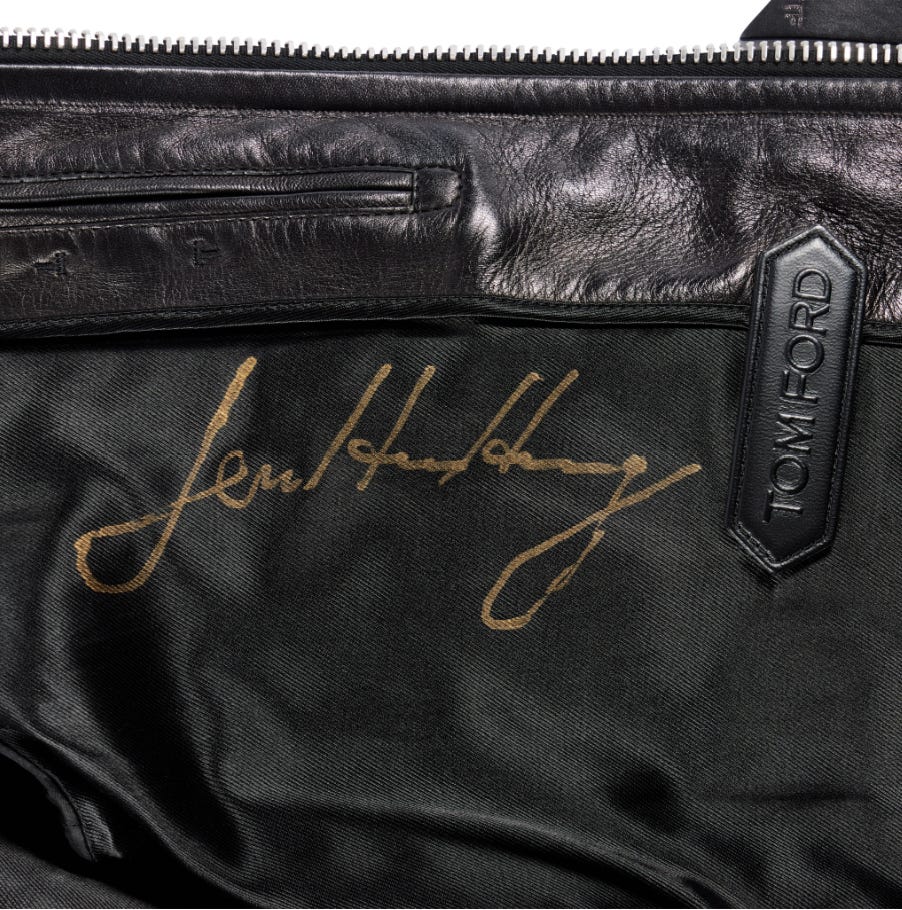
Yes, it is also funny. I am tempted to add a semi-articulated joke about cartoon characters like Johnny Bravo with their identical daily outfits. But a sign of preference, of a social quirk that is accepted as part of a personality is humanising.

An organiser can be defined as the person who sends invitations and steps back. In comparison, a host is visibly in the room, giving it character and ultimately making sure people connect.
How to be the host: show up consistently, and develop a signature people associate with you, whether that is a point of view, a way of asking questions or a natural look. When people describe a gathering by saying who was there, you can be sure your name is the first one they reach for. However, I urge my readers to understand that the jacket is ultimately, a jacket. It’s about being out in the open and a beacon for people to focus on what you bring of actual value.
5. Be Ready To Fiercely Hold Your Ground
Huang led Nvidia for 33 years. That is older than quite a few Substack readers (23.57% readers between 25 to 34). Even as investors questioned CUDA, Huang held his bet through a decade without returns. So, while it would be quite convenient to build an ecosystems in a season, it is rarely the case.
The founder archetype is, above all, patient. They have delivered 2.1 times the total shareholder return of companies without their founders, and founder-led technology companies 2.6 times.
How to be the host: Be ready to invest yourself before anyone else will, and steadfast against a potentially long timeline. This means you keep hosting when attendance is thin. Deliver the value you believe in even you just one person. Your circle compounds like an investment, and the people who stay through the quiet years become the core of everything that follows.
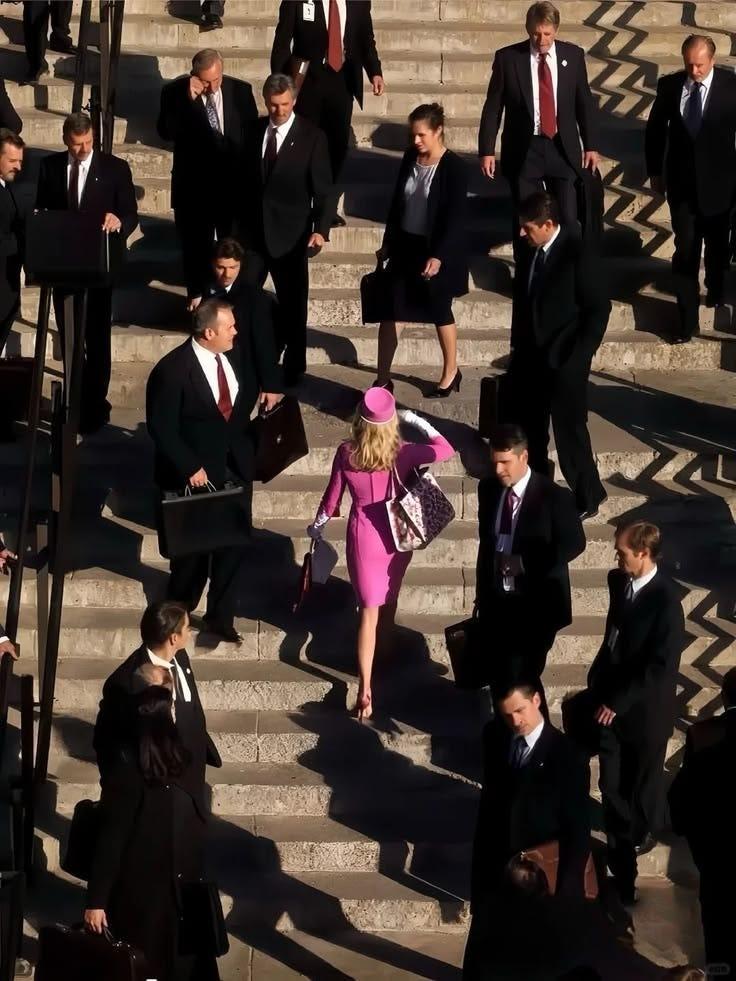
Is The Founder Archetype Sustainable?
Only if the host builds something that can outlive them. But, be warned, for the archetype has a flaw. Everything that made Huang brilliant pivoted through one person. 60 direct reports, a hundred emails read each morning. The culture with him at its centre is beautiful, but the share price in his absence is telling of the uncertainty and upset that remains due to his absence. Nvidia has no clear succession plan. There are some understandings that his daughter has been learning the ropes, and indeed, while fast appointed interim CEO Colette Kress (previous CFO, 17 years at NVIDIA and prior Cisco+Microsoft) is a steady choice, independant commentary is rife with continued longing for the hero founder.
Nvidia is not as unusual as one might think. In a Heidrick & Struggles survey, 40% of respondents said CEO succession planning was not a priority at all. Research published in MIT Sloan Management Review found that boards avoid the subject because they fear antagonising the incumbent chief executive. The thick wave of founder culture and companies thriving with it has demanded that boards of unicorns and other high growth entities consider what holes would be left to fill seamlessly if a founder steps away.
There are also culture costs. Former employees have described long hours, weekends and meetings that turned into shouting matches, with four-year stock vesting acting as golden handcuffs.
Funnily enough, our comparator of today’s article shows the alternative. Lloyd died in 1713, but his coffee house did not die with him. His clients formalised it into an institution that still trades today. His name is still over the door (a lovely touch). I regard that as the highest form of hosting. That is, a room so well built that it runs without you.
How To Be Impossible To Remove From Your Ecosystem
-
Make your value distributed. There is a cost on everyone who relies on your presence to be better informed and better connected. If defending you defends their assets, they will defend you.
-
Hold relationships personally, not through a title. A title can be taken away by a vote. What stops that? The loyalty of people you have championed.
-
Build a reputation beyond any single room. The whole industry knew Huang. His standing was never confined to Nvidia. So, be known in more than one circle.
-
Know where formal power sits. Huang has the affection of Silicon Valley, and this goodwill is informal but powerful. The board voting him out is governance in all its formality. You need to understand the value and reach of both powers. We might see goodwill return Huang very soon...
-
Guard the one thing your ecosystem cannot defend. Every host can be removed through their own conduct. We are humans and need to accept that we are beholden to being washed overboard. If you find that you need repair a breach of trust, be aware that allies are also impacted through investment and association. Protect your integrity as carefully as your network.
And If You Are Removed...How To Walk Back In With Grace.
Huang’s ecosystem has not let him go quietly. A petition to reinstate him has gathered 180,000 signatures, with public support from Elon Musk, Y Combinator’s Garry Tan and Epic Games’ Tim Sweeney. The Financial Times reported that Huang had discussed a comeback with allies. The board, for now, says it is not considering one (funny, that).
Now. whether Huang returns is unknown as I write. But if you happen to need some tactics to sneak back in from your own missteps, here is my advice:
-
Own it--> immediately and quite completely. Huang told staff: “There is no excuse for what I did. I am deeply sorry.“ No ecosystem can welcome back someone who is still defending themselves. You will likely feel like a PR pigeon, but so long as it is sincere and not posted with a ukulele on Youtube, you can move on.
-
Allow others to make the case. A return that is advocated holds great weight than an entirely self-petitioned one. The people you made owners are your voice when you cannot speak for yourself.
-
Keep sharing from outside. Stay generous with your knowledge and introductions. Remember what we said about hosting even for only one guest? It is the same attitude. Absence does not have to mean silence.
-
And if the old door stays closed... Build a new room. Be cheeky. Steve Jobs was forced out of Apple in 1985. In our favourite tech comeback story, Jobs founded NeXT, Apple subsequently bought it, and thus he walked back through the front door in 1997. How classic. The founder archetype is a true host. They can always attract the right people to follow them into a new room.
For The Table
For every post, I want you to get into the habit of digesting what we’ve discussed. We want to encourage the grey cells to think critically and form opinions. What did you learn? What do you want to share? When we engage ourselves to learn and digest, we become great conversationalists for our company.
Bring one of these to your next dinner and see where the conversation goes:
-
Do we celebrate founders because they build better companies, or because we need a person to tell the story through?
-
Should 180,000 signatures matter more than a board’s legal duty?
-
Which of today’s great companies are institutions, and which are personalities with a share price?
Welcome to The Salon.
I am Judy, your Salonnière.
Sources
First published by Judy Yamakawa on 18 November 2026.
Free newsletter
The NOOR Edit
Liked this? Get NOOR’s best stories by email.