
That is So Polyester: Regression, Radical Domesticity, and the New Homebody
Knitting, vinyl, film cameras and a new insult for cheap synthetics. Ellie Lynes on why a generation raised on screens is retreating into its grandmothers’ hobbies.
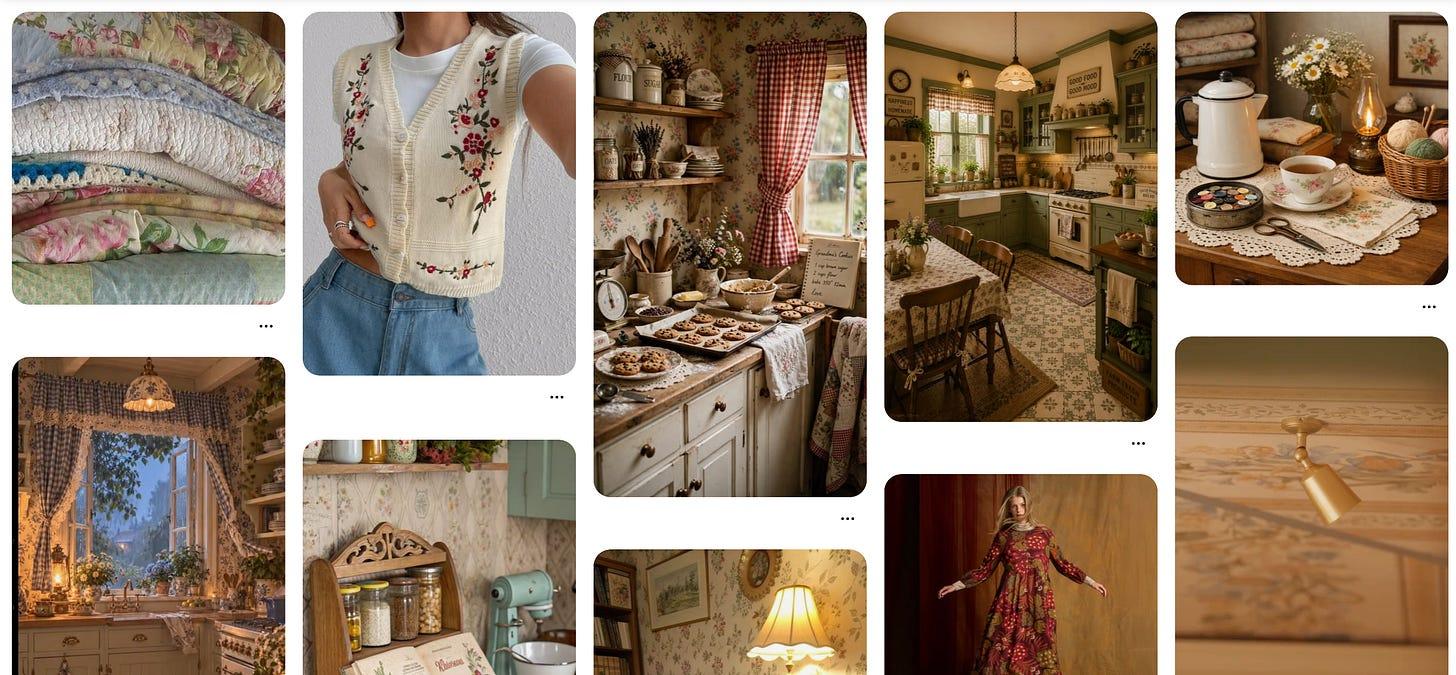
With each generation, we see a shift in culture, behaviours and interests that shape their general outlook. Boomers are seen to be wealthier, more conservative and selfish. Millennials are seen as lazy, tech-savvy and obsessed with avocados. Cultural events and phenomenons shape each generational stereotype, often following political powers, social events and more recently, the sudden rise in technology.
Gen Z are seen to be technology dependent, with shorter attention spans and a lack of work ethic, however, as is the case for all generations, this may not be applicable for all, as we see wide-spread rejection of modern life. Many in younger generation are fed up of modernity- the instant gratification, disconnect and misery. Many are turning to regression- analogue living. A growing number of Gen Z use crafting to unwind, with a 2026 report showing that searches for analog hobbies like knitting, crochet and embroidery surged to 136% in six months, and that Yarn accessory sales grew 40% year over year. Slowly, we are seeing the revival of old media: vinyl and film cameras, and of ‘grandma’ hobbies as a means of escaping modern life.
Our parents, it turns out, were right! It is those damn screens!
The Curse of Modernity and the Psychology of Regression
Mental health problems are at a dangerously high rate, and predicted to worsen. 1 in 5 children have a probable mental health problem, and around 1 in 5 people in England are experiencing anxiety or depression, statistics showing a 20% increase of diagnoses from 2014-2025. It is no wonder people are struggling as the stressors of modern life become exacerbated: the cost-of-living crisis, the current job market, digital lifestyles, world news, climate crisis and a lack of community.
I often hear people say that this isn’t the life we were promised, growing up in the 90’s and 2000’s with idealised versions of adulthood. The modern reality is much bleaker, technology has progressed beyond a controllable capacity, and our economy is crashing.
It is no wonder, then, that we are all turning to the hobbies that nurtured our younger years. Baking and knitting with our grandparents, painting in the garden, sewing at school. Escapism is the ultimate form of self-care. When things get tough, ultimately, it’s our inner children that are hurt, and thus the mind must retreat to a place that is safe. Regression protects us by taking us to a time with less anxiety, less thought and less stress, and guess which generation is constantly anxious and stressed?
Conservatism and the ‘Homebody’
As society changes, so do our political standpoints. This often has wider social implications as these previously discussed characteristics and behaviours are influenced by politics, worldly events and catastrophes. As technology develops, a surge in traditional values and conservatism prevails and we see a rising generation with higher anxiety, therein lies the rise of the homebody.

The homebody is somebody that enjoys domesticity and simplicity. The homebody see’s their homes as their personal sanctuary and enjoys reading, cooking, gardening or craft. Synonymous with the ‘grandma hobby’, this movement feels almost too closely linked to the uprise of the ‘trad wife’ and conservative political powers. As modern feminism is called into question and the ‘manosphere’ influences mainstream culture, women are impacted by these social shifts and expectations. We are called to remember why we need feminism in the first place.
Regression is in Style: What the Cultural Shift Means for Fashion
We are not only regressing in our hobbies, but in our dress too; there is a new insult on the block - ‘That is so Polyester’. Young people are pushing against polyester and cheaply made synthetics, with concern around their health and the environment. Shein and other ultra-fast fashion giants are losing favour with many younger consumers, choosing instead to shop second-hand or from brands using fibres of higher quality. This feels conjunctive with the social movement towards traditional values, conservatism, and wellness. While this movement feels progressive, it actively encourages us to consume. We should throw out our polyester wardrobes, to make way for a natural one- the issue being that this actually continues to contribute to the environmental issue at hand. Yes, polyester can be bad. Yes, we shouldn’t be actively engaging with fast fashion, but, to dispose of an entirely wearable wardrobe feels contributive to the same throw away culture we are criticising indirectly.
Many brands are jumping on board with the current ‘trend’, releasing lines of recycled or ‘natural’ clothing to try and cash in on the movement- much like the fast fashion greenwashing epidemic of the early 2020’s. It is easy to label an item as ‘natural’, but when lacking supply chain traceability and with little knowledge on how or where the item was made, there is no telling the extent of the truth.
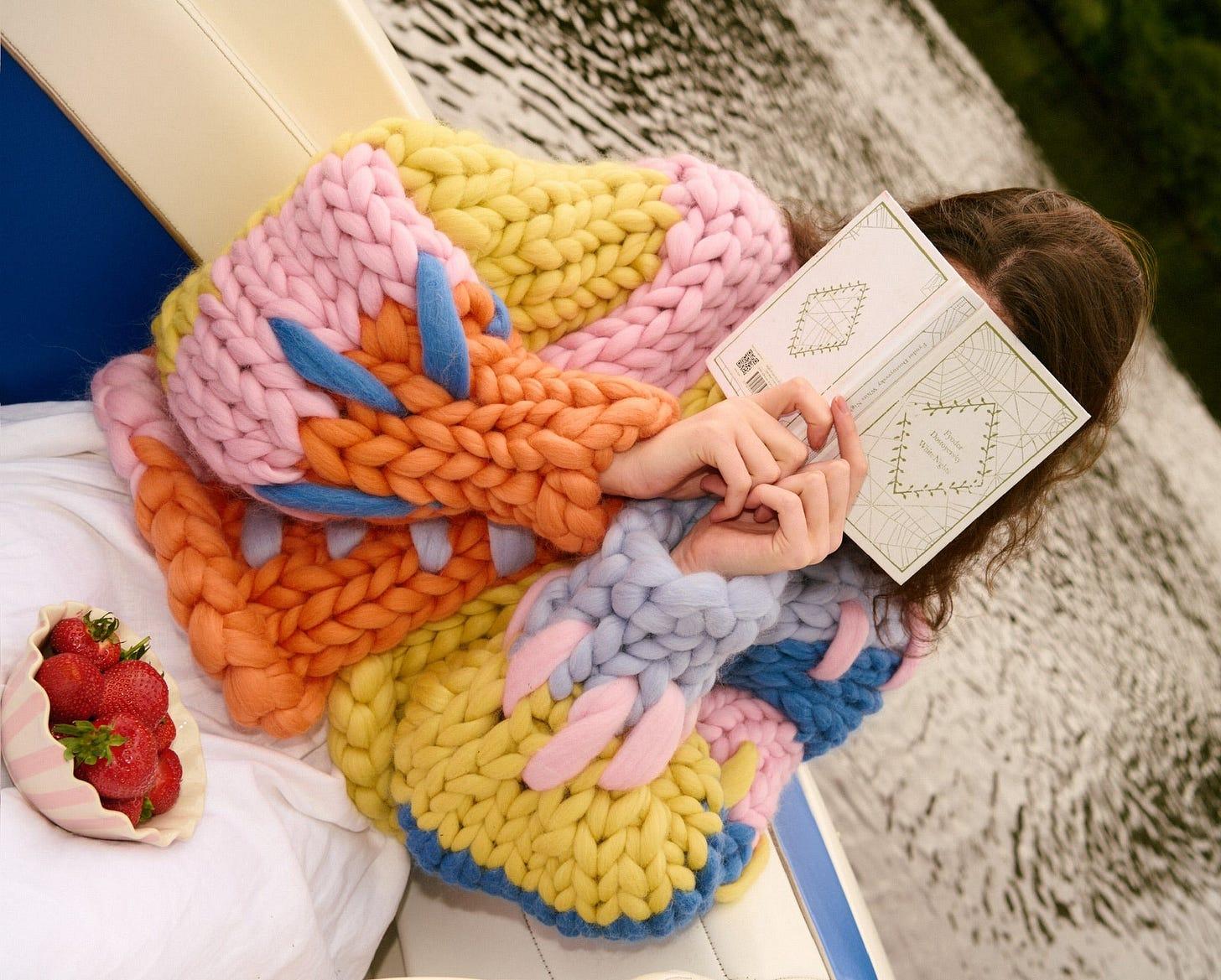
Some brands, however, are embracing the grandma hobby, such as Hope Macaulay and their 2023 company Hope’s Wool, and Levi’s Wear Longer Project; Hope’s Wool selling yarn and knitting patterns to encourage consumers to make their own Hope cardi at home, and the Wear Longer Project encouraging young people to repair and upcycle their clothes at home
Unfortunately, consumers are fickle, and it is quite probable that people will move onto the next buzzword and leave this behind. It does feel like consumer behaviour is moving in the right direction, but with many gaps and a lack of critical thought. I, for one, will be embracing the grandma lifestyle, with a little more focus on circularity and appreciation for what I already own.
First published by Ellie Lynes on 8 November 2026.
Free newsletter
The NOOR Edit
Liked this? Get NOOR’s best stories by email.